St Petronella Health Care Initiative
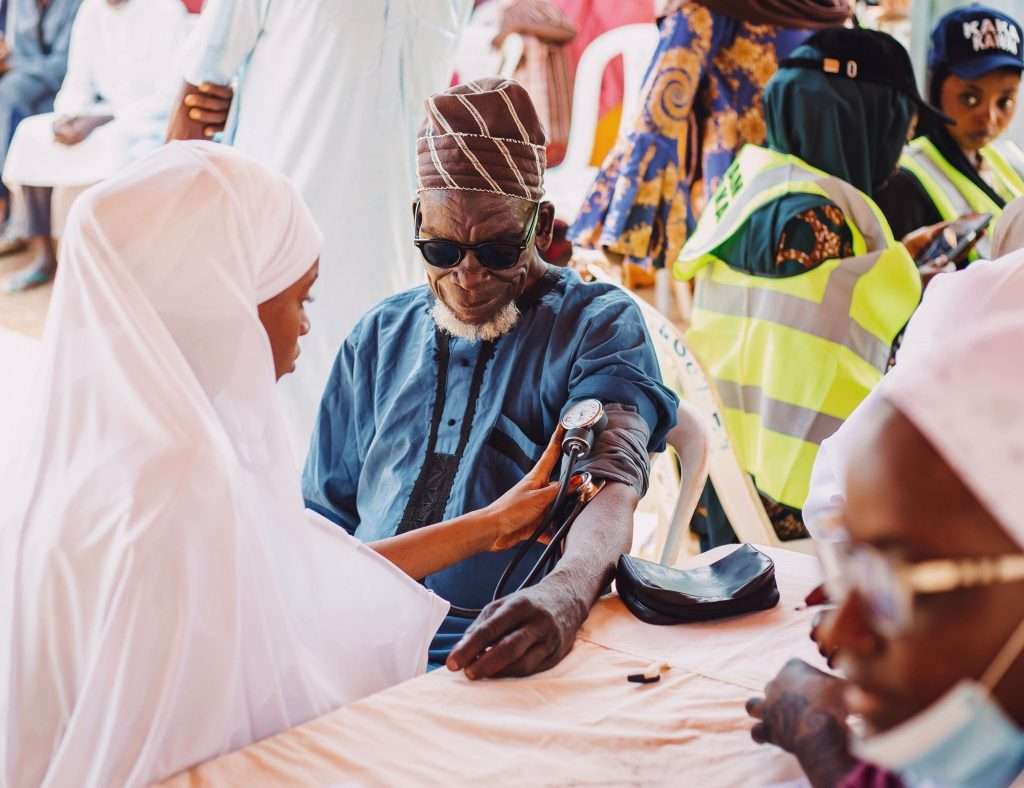
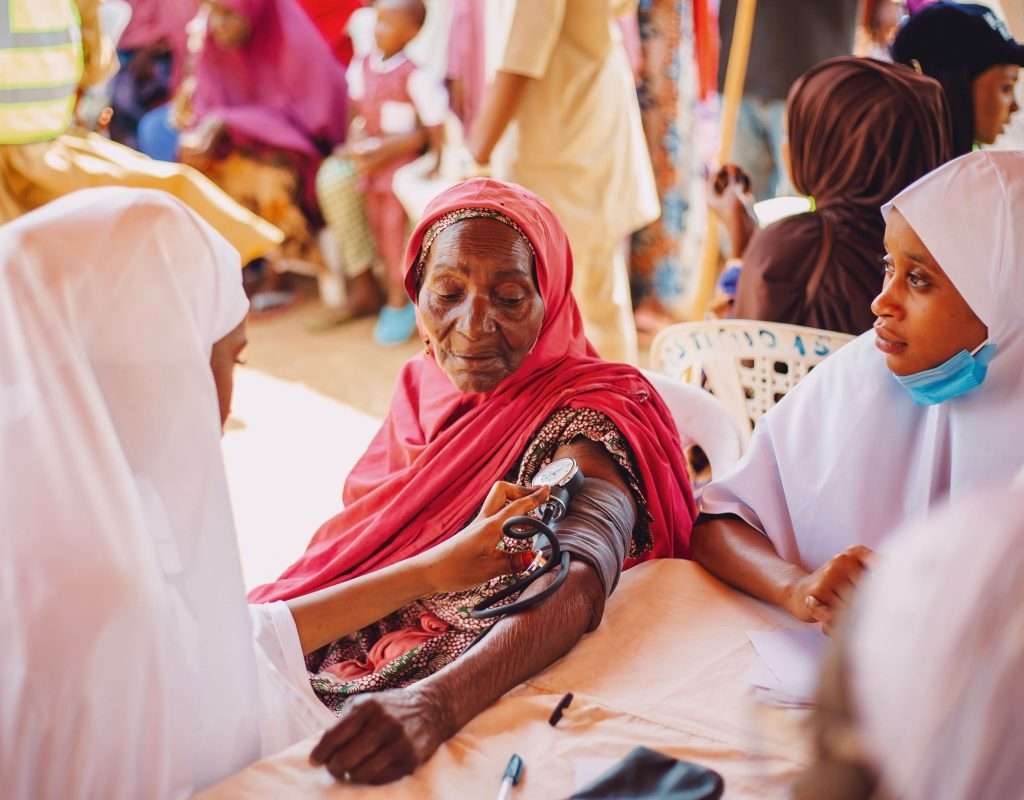
We organise structured outreaches in partnership with health facilities and local structures. Depending on what a community needs, an outreach combines general health assessment, health education, disease screening, immunisation mobilisation and mental health awareness. Cases that need more than an outreach can offer are documented, referred and followed up, so the work continues after the day itself ends.
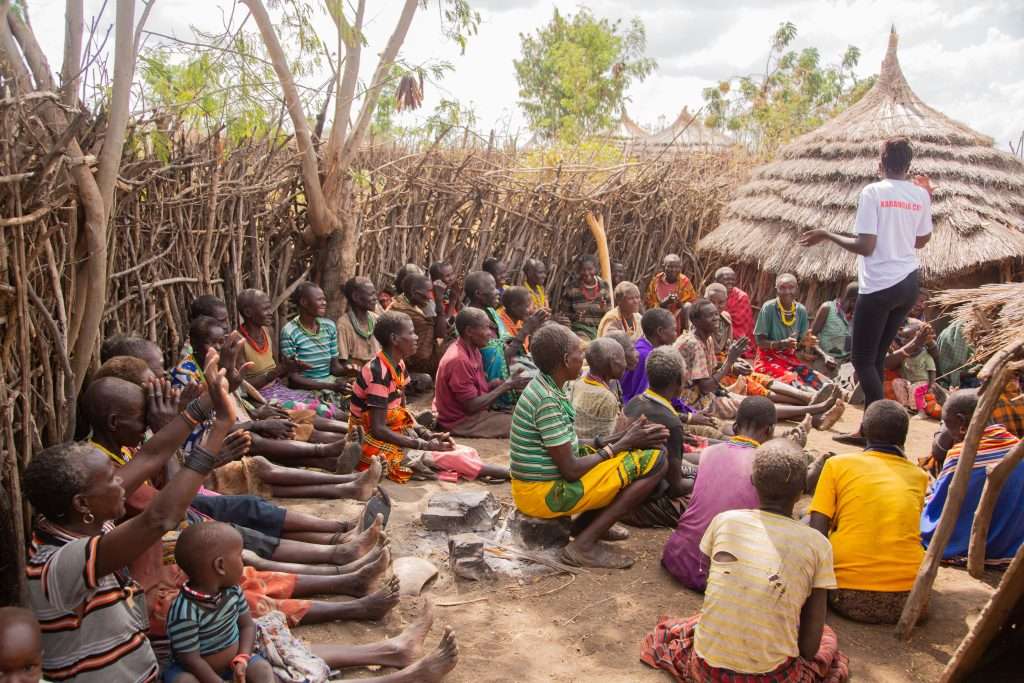
We work through communities rather than simply for them, involving leaders, structures and groups in identifying and acting on local health priorities. We engage community leaders, VHTs, CHEWs, women, youth, persons with disabilities, schools, religious institutions, health facilities and local authorities. Groups are organised around agreed priorities, and participation is sustained through ongoing dialogue and shared ownership.
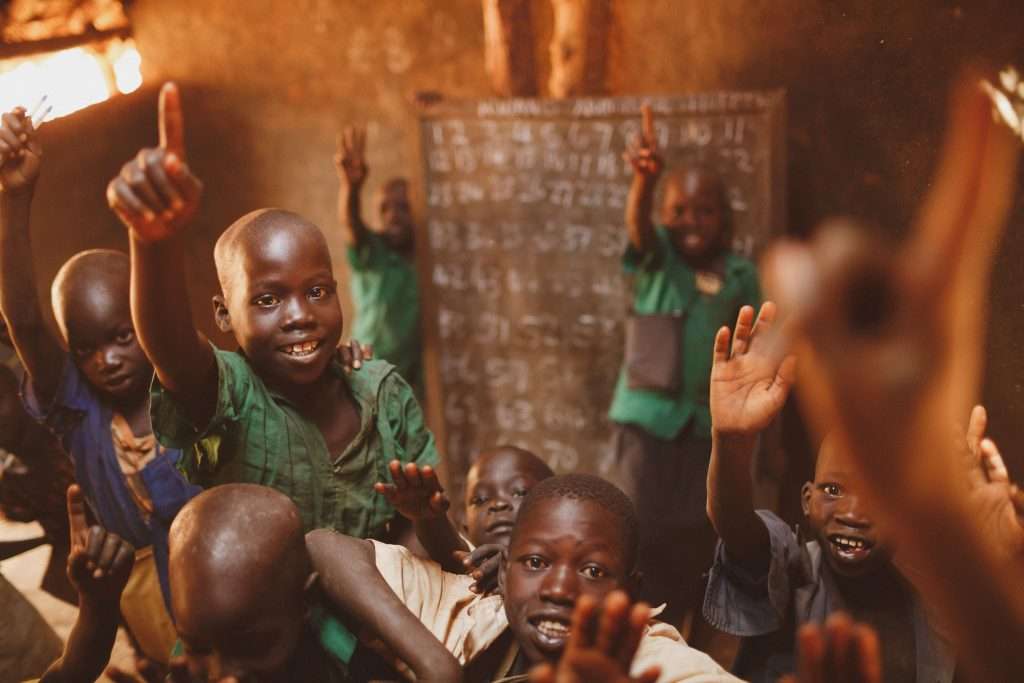
We promote health awareness, healthy behaviours and timely use of health services through community and school-based education. This reaches people through education sessions, awareness campaigns, community dialogues and door-to-door visits. Household-level education reaches those less able to attend group sessions, and needs identified along the way are referred and followed up.
We promote community screening, early detection and referral, helping communities move from reacting to illness towards catching problems early. Through outreaches and community sessions we screen for conditions such as hypertension and diabetes, identify risk factors and danger signs, and refer complicated cases for diagnosis and treatment. We also support treatment adherence education and follow up referrals where feasible.
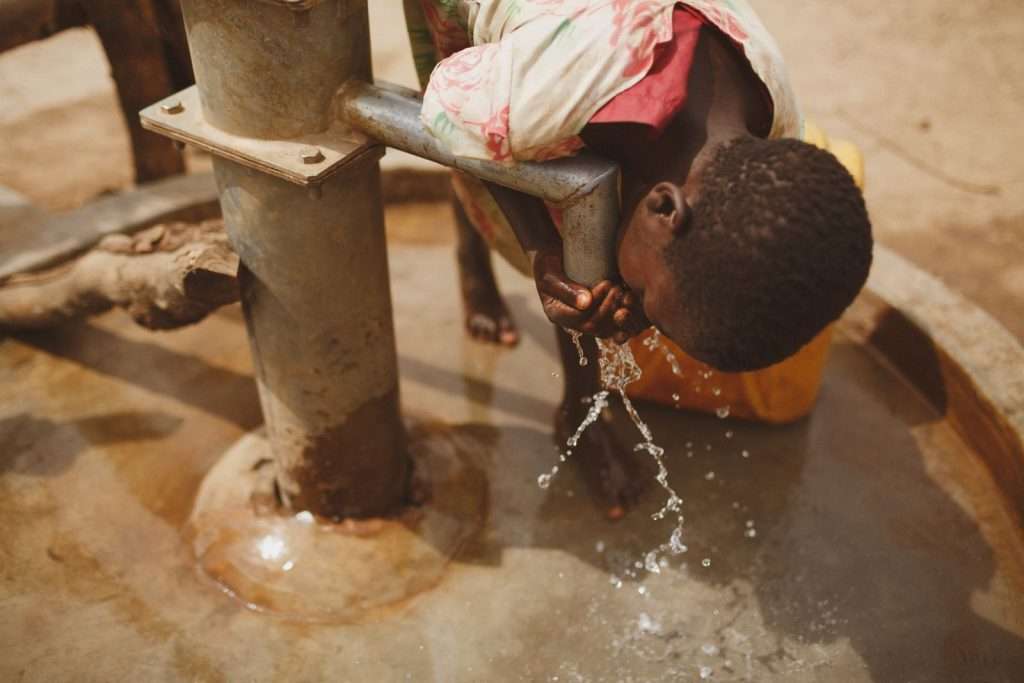
We promote access to safe and sustainable water, improved sanitation and practical hygiene practices. The work spans borehole drilling and rainwater harvesting, water storage, treatment, tap stands and water-quality testing. Sanitation support covers latrine improvement, waste management and drainage, alongside handwashing stations and hygiene education that helps households keep their own water safe over time.
We work with VHTs, CHEWs, health workers and other community structures, because they are best placed to support their own communities. Training covers health promotion, disease prevention, identification of danger signs, referral and follow-up, disease surveillance, infection prevention and control, and data collection. Training is followed by mentorship, supportive supervision and performance monitoring, so the approach goes beyond a single event.
Tell us how you would like to work with PHCI and we will come back to you.